
Quality & Compliance
Inspecting a Glass Marble Shipment: Four Defect Classes That Cause Rejection
Chips, out-of-round pieces, colour drift and foreign matter are the four defects that get a marble shipment rejected. How to sample, what to write into the PO, and what evidence to demand.
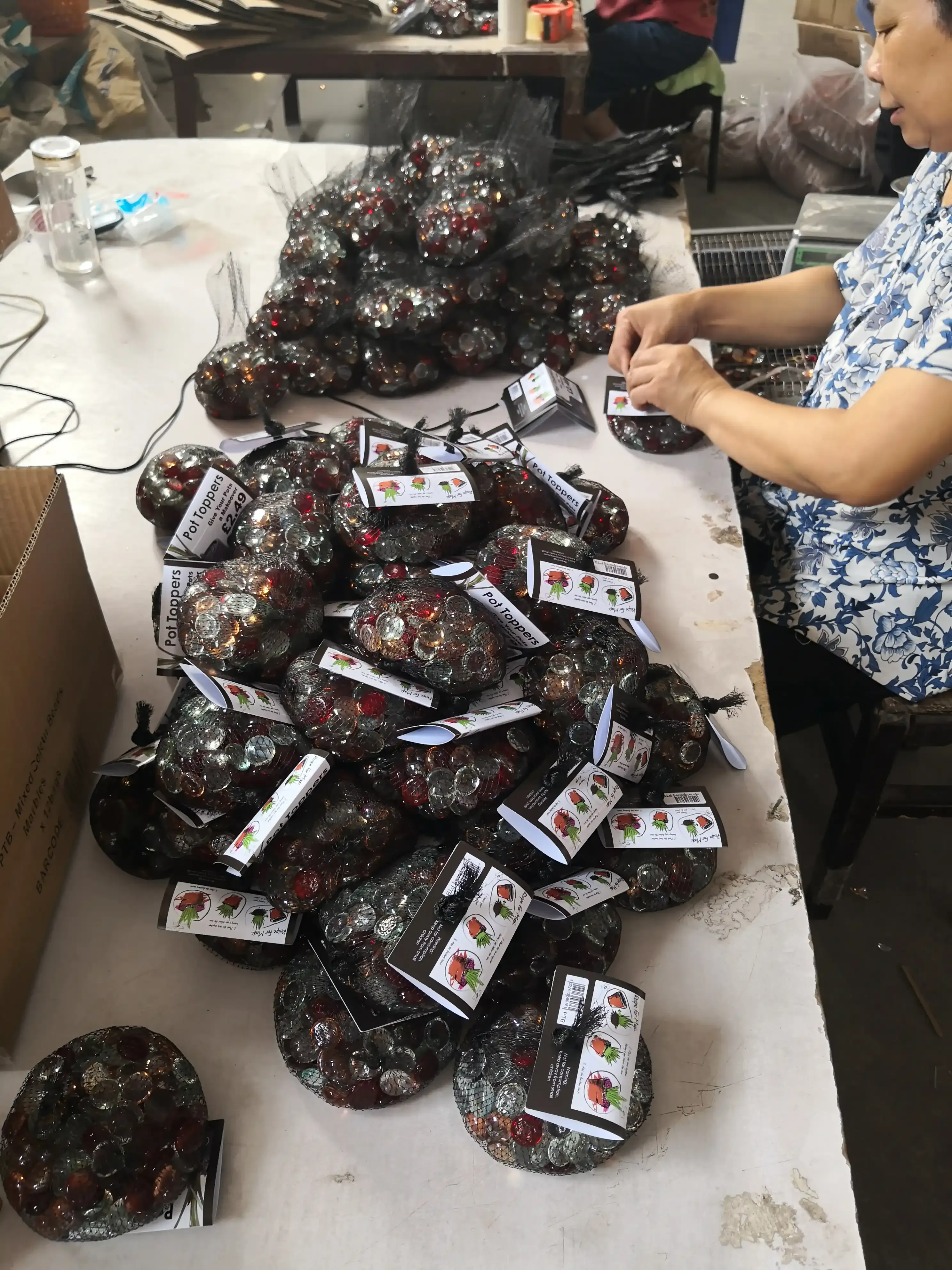
Four defect classes account for nearly all glass marble rejections: chips and cracks, out-of-round pieces, colour or pattern drift against the approved sample, and foreign matter inside the packing. SunWard Products Co., Ltd. has manufactured glass marbles since 1999 in Zibo, Shandong, and the factory is BSCI audited with marbles meeting EN71. Writing these four into the purchase order, with an agreed sampling method, is what separates a shipment that clears inspection from one that stalls at the port. This guide covers how to specify and check each.
The four defect classes to write into the PO
Write all four into the PO as separate line items, each with its own acceptance criterion. Chips and cracks: no chipped or cracked marble accepted on toy-grade stock, because a chipped edge is a sharp point and a foreign-body risk. Out-of-round: a marble that will not roll is not a marble, so set a roundness limit rather than only a diameter band. Colour drift: measured against the retained sample, not against a colour code, because glass colour does not reproduce exactly. Foreign matter: no plastic, paper, dust or metal in the bag, checked by emptying a sample bag rather than by looking at it through the plastic.
A diameter band alone is not a quality specification. Two shipments can both measure "16 mm" on average and still differ in the spread of sizes and in how many pieces are visibly out of round.
How to sample a shipment
Sample in four steps: (1) pull bags from the top, middle and bottom of at least three cartons, not all from one carton; (2) empty each sample bag and spread the marbles in a single layer on a light surface; (3) measure diameter on a fixed count — 30 pieces is enough to see a spread, 100 if the order is large; (4) roll each piece on a flat incline; anything that does not roll straight is out of round regardless of what the calliper says.
Photograph the sample layout before writing anything down. A photograph of a single-layer spread with a ruler in frame is the most useful piece of evidence in any marble dispute, because it lets a third party see the spread and the chips at the same time.
What evidence to demand before the balance
Ask for four things before releasing the balance: a photograph of the packed cartons showing the carton count and the packing format; a photograph of a single-layer spread of marbles from at least one bag per lot; the packing list with net and gross weight per carton; and, for a first order, a third-party inspection report. SunWard loads containers in our own yard, so loading photographs are straightforward to provide before the container leaves.
None of these replace your own sample check. A supplier photograph shows what the supplier chose to photograph; your retained sample shows what was actually agreed. Keep both.
When to bring in a third-party inspector
Bring in an inspector when any of four things is true: it is the first order from this supplier; the order value justifies the fee; the product is going into a toy channel where a defect becomes a safety issue; or a previous shipment was rejected for one of the four defect classes. For repeat orders from a supplier with a clean history, a photographic check plus your own sample pull is usually sufficient.
Book the inspection against finished goods before loading, not after. An inspector who arrives after the container is sealed can only confirm what is already packed, and reworking a sealed container costs more than the inspection did.
FAQ
What are the most common glass marble defects?
Chips and cracks, out-of-round pieces, colour or pattern drift against the approved sample, and foreign matter in the packing. Chips matter most on toy-grade stock because a chipped edge is a sharp point. Colour drift matters most on repeat orders, where the new lot is compared to the previous one.
How many marbles should I inspect per shipment?
Pull sample bags from the top, middle and bottom of at least three cartons, then measure diameter on 30 pieces — or 100 for a large order. Spread the sample in a single layer and photograph it with a ruler in frame. Thirty pieces is enough to see a size spread; it is not enough to prove a clean lot.
Do you provide inspection evidence before shipping?
Yes. SunWard loads containers in our own yard and can provide photographs or video of the packed cartons and a single-layer sample spread before loading. For a first order, arrange a third-party inspection against finished goods before loading, not after the container is sealed.
Can I specify no chips on toy-grade marbles?
Yes, and you should. Write zero-tolerance for chipped or cracked pieces into the PO for toy-grade stock, because a chipped edge is a sharp point and a foreign-body risk. Confirm how the supplier screens for chips — visual inspection, tumbling rejection or both — before production starts.